日食与文化
(原标题: Solar Eclipses and Culture)
2026-09-02
浏览次数: 1643
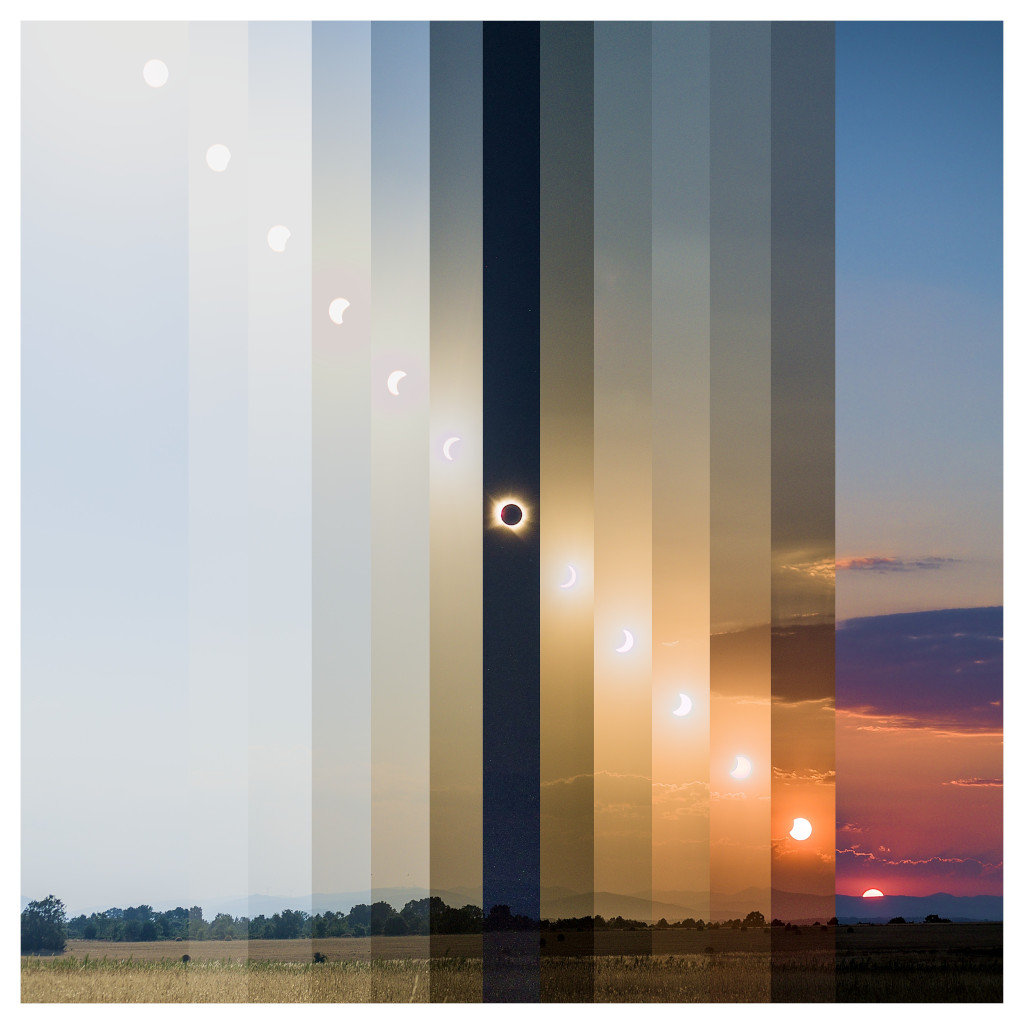
假装你从未听说过日食。太阳的行为在你的一生中都是可以预测的。有一天,你会看到天空的变化,就像今天在2026年8月12日日食的两个小时的拼接图像中看到的那样。太阳消失了,留下一个明亮的空环。你认为发生了什么事?纵观历史,人类以无数种方式解释日食,将有关联系、重生或危险的信念嵌入文化中。“月蚀”一词来自希腊单词“samkleipsis”,意思是“放弃”。在古希腊,日食标志着众神的愤怒和太阳抛弃了人类。对din<s:1>人来说,这个天象排列是一个更新的时刻。出于尊重和避免阳光的危险,恐龙呆在室内,直到太阳和月亮分开。贝宁和多哥的巴塔马里巴人相信日食期间太阳和月亮会打架,所以他们鼓励彼此之间的和平。日食是天文学和社会之间长期联系的一个例子。图集:2026年8月12日的日食
查看原文解释
Pretend you have never heard of a solar eclipse. The Sun’s behavior has been predictable your whole life. One day, you witness the sky transform as it does in today’s spliced image spanning two hours of the August 12, 2026 solar eclipse. The Sun disappears, leaving behind a bright, empty ring. What would you think had happened? Humans have interpreted eclipses in countless ways throughout history, embedding beliefs about connection, rebirth, or danger into culture. “Eclipse” comes from the Greek word “ékleipsis” meaning “abandonment”. In ancient Greece, the solar eclipse marked the anger of the gods and the Sun abandoning humanity. To the Diné people, this celestial alignment is a time of renewal. Out of respect and to avoid the danger of sunlight, the Diné stay inside until the Sun and Moon separate. The Batammariba people of Benin and Togo believe that the Sun and Moon fight during an eclipse, so the community encourages peace among themselves. Eclipses are an example of the longstanding connection between astronomy and society. Gallery: Solar Eclipse of 2026 August 12
© Javier Castro Text: Keighley Rockcliffe (NASA GSFC, UMBC CSST, CRESST II)